
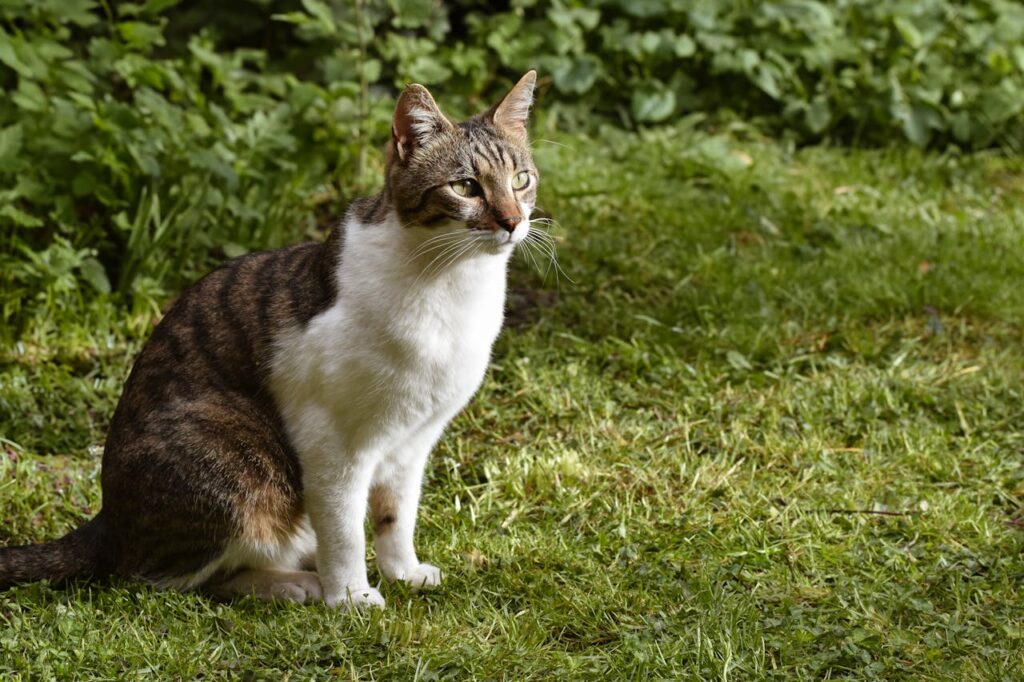
Cats are renowned for their fastidious grooming and instinctual cleanliness, making the discovery of a puddle on the carpet a baffling experience for any owner. Rather than an act of rebellion or spite, this behavior often serves as a silent distress signal, indicating that something in their physical or emotional world has gone awry. Whether triggered by subtle medical conditions or environmental stressors, understanding the root cause is the first step toward restoring harmony in the home. By approaching the issue with patience, one can decode these urgent messages and guide a feline companion back to their habits.
Medical Issues and Infections
Before assuming a behavioral cause, it is crucial to rule out medical conditions such as urinary tract infections, bladder stones, or feline interstitial cystitis. These ailments can cause significant pain during urination, leading a cat to associate the litter box with discomfort and seek softer surfaces like laundry or rugs for relief. A comprehensive veterinary exam, often including a urinalysis or blood work, provides the necessary baseline to ensure physical health is not the primary culprit behind the sudden change in habits.
The Box Is Not Clean Enough
Felines possess a sense of smell far superior to humans, making them incredibly sensitive to the ammonia odors that linger in a dirty litter box. If the designated area is not scooped daily or deep-cleaned regularly, a cat may simply refuse to step inside, viewing the soiled substrate as an unacceptable place to eliminate. Maintaining a pristine environment by removing waste frequently and washing the basin with mild soap prevents the buildup of bacteria and odors that drive even the most well-behaved pets to find alternative locations.
Dislike of Litter Texture
Texture plays a significant role in litter box acceptance, as the sensitive pads of a cat’s paws may find certain substrates too coarse, sharp, or dusty. While many owners prefer scented or crystal litters for odor control, cats often favor fine-grained, unscented clumping clay that mimics the soft sand of their ancestral environments. Experimenting with different litters can reveal a strong preference, as a cat avoiding the box due to tactile discomfort will quickly return once a softer, more inviting material is provided for daily use.
Poor Box Location
Placing a litter box in a high-traffic area, near noisy appliances like washing machines, or in a dark corner can create a sense of vulnerability during a private moment. Cats require a location that offers a clear line of sight to scan for potential threats while also providing multiple escape routes should they feel cornered. Relocating the box to a quiet, low-traffic area of the home allows the animal to relax and do their business without the fear of being ambushed by other pets or startled by loud, sudden household noises.
Multi-Cat Household Conflict
In homes with multiple felines, the litter box can become a flashpoint for territorial disputes and subtle intimidation tactics that go unnoticed by human observers. A dominant cat may guard the entrance or ambush a more timid housemate as they attempt to leave, creating a negative association that forces the victim to eliminate elsewhere. The general rule of providing one box per cat plus one extra ensures that every animal has access to a safe resource, reducing competition and allowing for peaceful coexistence within the territory.
Stress and Anxiety Triggers
Cats are creatures of habit who thrive on routine, and even minor disruptions like a change in work schedule, moving furniture, or the arrival of a new family member can trigger anxiety. This emotional turmoil often manifests as inappropriate elimination, which serves as a way for the cat to mingle their own scent with familiar surroundings to self-soothe. Identifying and mitigating these stressors, perhaps through the use of pheromone diffusers or creating safe spaces, helps restore a sense of security and reduces the urge to mark territory.
The Box Is Too Small
Many commercially available litter boxes are simply too confined for an adult cat to move around in comfortably, leading to feelings of claustrophobia and mess. If an animal cannot turn around, dig, and cover their waste without stepping in it or bumping against the sides, they are likely to seek a more spacious area such as a bathtub or bed. Upgrading to a large storage plastic container or an extra-large litter pan ensures there is ample room for natural posturing and digging behaviors, making the experience far less restrictive.
Old Age and Mobility
As cats age, conditions like arthritis can make stepping over the high sides of a traditional litter box a painful and difficult physical challenge. Senior felines may have the desire to use the box but physically cannot enter it without discomfort, leading to accidents right next to the basin or on easier-to-access flat surfaces. Switching to a low-entry litter box or cutting down the side of an existing plastic pan can accommodate stiff joints, allowing older pets to maintain their dignity and hygiene without unnecessary strain.