
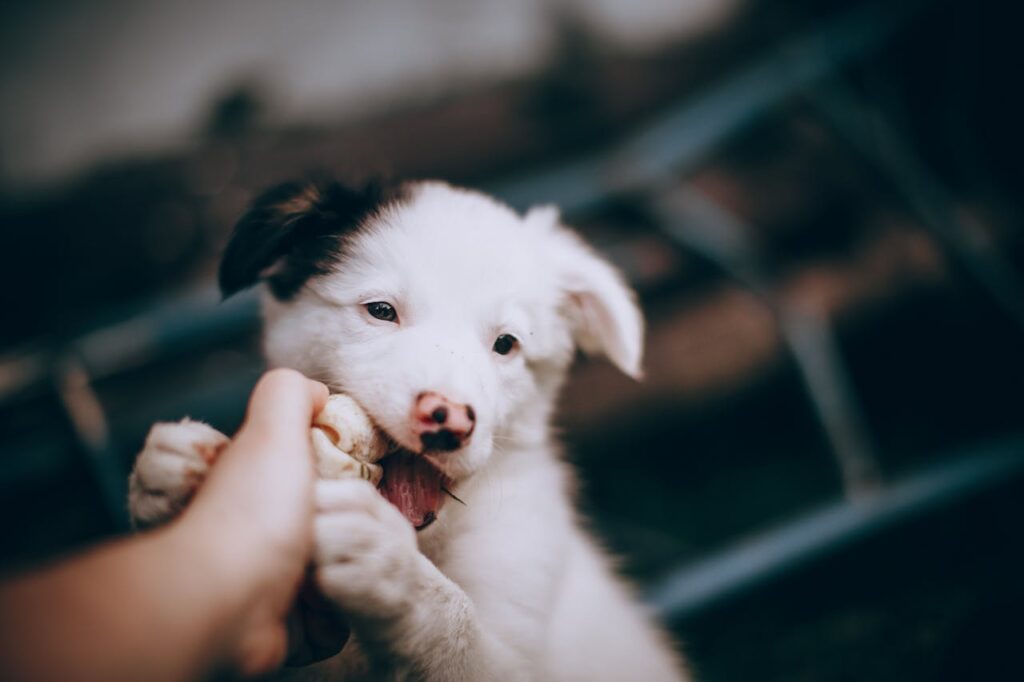
Puppies navigate their environment through their mouths, a natural instinct that often leaves owners with nipped fingers and frayed nerves. While those needle-sharp teeth are painful, this developmental phase serves a crucial purpose in a young dog’s life, teaching them about texture, taste, and the strength of their own jaw. Understanding the motivation behind the nip shifts the focus from correcting bad behavior to guiding necessary development. It is a fleeting season where patience lays the groundwork for a gentle adult dog who understands boundaries, respects human skin, and fosters a relationship built on trust and clear communication.
The Physiology of Teething
The discomfort of teething drives much of the chewing behavior seen in puppies under 6 months. As adult teeth push through gums, the pressure provides relief, making furniture legs or human hands attractive targets for gnawing. Providing appropriate outlets like frozen carrots or rubber toys specifically designed for teething can soothe sore gums without reinforcing destructive habits. Ignoring this physiological need often results in increased agitation, so proactive management helps the puppy feel better while saving household items from destruction. Recognizing pain signals allows owners to offer comfort rather than correction during this tender time.
Developing Bite Inhibition
Before leaving their litter, puppies learn bite inhibition by wrestling with siblings who yelp and stop playing when a nip is too hard. This feedback loop teaches them to moderate jaw pressure, a skill that must be reinforced in their new human home to ensure safety. When a puppy bites down too hard on skin, an immediate cessation of play mimics this natural lesson, signaling that rough play ends the fun instantly. Consistency is key, as mixed signals can confuse the animal about what force is acceptable. Over time, the dog learns to interact with a soft mouth, a critical safety trait that prevents serious injuries when the dog reaches maturity.
Recognizing Overstimulation
A common misconception is that a biting puppy is acting out of aggression when they are often simply overtired and lacking impulse control. Much like a toddler throwing a tantrum, a puppy that has been awake for too long loses the ability to regulate behavior and may bite frantically. Enforced naps in a quiet crate or pen provide the necessary downtime for their developing brains to rest and reset. Recognizing the signs of exhaustion, such as zooming or persistent nipping, allows for intervention before the behavior escalates. A well-rested puppy is calmer, more receptive to training, and significantly less likely to use teeth to communicate needs.
Redirecting to Toys
Successful redirection involves anticipating the bite and offering an acceptable alternative before teeth make contact with skin. Keeping a variety of textures available ensures that there is always something more interesting than a hand or ankle to satisfy the urge to chew. When the puppy approaches with an open mouth, guiding them toward a rope toy or plush animal creates a positive association with the correct object. This method avoids suppression and instead channels the energy into a healthy outlet. Praise should be lavish when the puppy chooses the toy, reinforcing that good choices result in attention and rewards from their human companion.
The Withdrawal Method
Sometimes redirection is insufficient, and the most effective consequence for hard biting is the removal of attention entirely. If a puppy persists in nipping despite being offered toys, stepping away or leaving the room for 30 seconds sends a powerful message. This technique removes the thing the puppy wants most—social interaction—contingent on their behavior. It is essential to return without anger, resetting the scenario to give them another chance to succeed. This approach teaches that teeth on skin result in loneliness, while gentle play keeps the fun going. It requires patience but builds a clear cause-and-effect understanding for the dog.
Avoiding Rough Play
Engaging in rough play with hands creates a confusing double standard that hampers training progress. When humans use their hands to wrestle or tease, it encourages the puppy to view skin as a tug toy, blurring the boundaries of acceptable play. Using long tug toys or flirt poles allows for high-energy interaction while keeping hands at a safe distance from sharp teeth. This distinction helps the puppy understand that hands are for petting, not for combat. Establishing this rule early on prevents future behavioral issues and ensures that the dog learns to respect personal space, making interactions safer for children and guests alike.
Ensuring Family Consistency
A training plan fails if only one person follows the rules while others allow nipping or rough play. Dogs struggle to generalize commands if expectations vary between family members, leading to frustration and slower learning curves. Holding a family meeting to agree on commands and boundaries ensures that the puppy receives the same feedback from everyone. If one person allows nibbling on fingers, the puppy will continue to test those boundaries with everyone else. A united front accelerates the learning process, providing the clarity and structure that young dogs need to thrive and understand their place within the household dynamic.
Managing Herding Instincts
Certain breeds with herding drives, such as Border Collies, may nip at heels or pant legs in an attempt to control movement. This is not aggression but a genetic predisposition to gather and move livestock, misdirected at human family members. Redirecting this specific type of biting requires mental stimulation and activities that fulfill the working drive, such as puzzle toys or scent work. Correcting the behavior without providing an outlet often leads to other issues. Understanding breed-specific traits allows for tailored training approaches that respect the dog’s heritage while establishing appropriate household manners.