
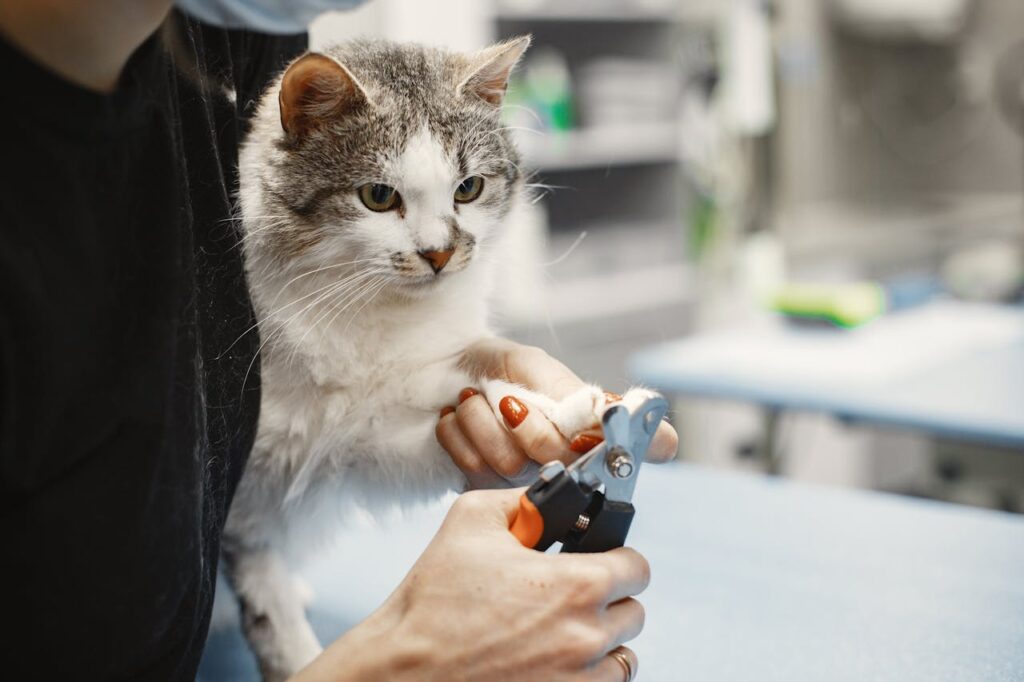
The grooming salon often presents a sensory overload for companion animals, characterized by the buzzing of clippers, the scent of unfamiliar shampoos, and the presence of strange handlers. While some pets trot happily onto the table, others find the experience deeply unsettling, manifesting anxiety through trembling or defensive aggression. Rather than resorting to medical sedation, pet owners and professionals can employ gentle, behavioral strategies to transform fear into confidence. Creating a positive association with grooming requires patience, preparation, and a deep understanding of an animal’s emotional landscape.
Prioritize Desensitization At Home
Long before the appointment, handling exercises at home can redefine the sensation of touch from a threat to a bonding activity, specifically focusing on sensitive areas like paws, ears, and the tail. By pairing the manipulation of toes or the gentle combing of matted fur with high-value rewards, the animal learns to anticipate pleasure rather than pain when a brush appears. Consistency remains key here, as daily, short sessions allow the pet to gradually build tolerance to the sensation of being held still, making the eventual transition to a professional’s table feel far less jarring and much more familiar.
Schedule Meet-And-Greets
Fear often stems from the unknown, so arranging a casual visit to the salon without any actual grooming services scheduled can significantly reduce an animal’s apprehension toward the facility. These “happy visits” allow the pet to sniff the environment, meet the staff, and hear the background noises while receiving praise and treats, effectively establishing the location as a neutral or positive space. Removing the expectation of a bath or haircut during these initial trips helps the animal disassociate the building’s entrance from the stress of the procedure, fostering a sense of safety and trust.
Burn Energy Beforehand
A pet brimming with pent-up energy is far more likely to react negatively to the confinement and restraint required during a professional grooming session. Engaging in a vigorous game of fetch or a long, brisk walk immediately prior to the appointment helps deplete excess adrenaline, naturally inducing a calmer, more compliant state for the animal. When the body feels physically tired, the mind becomes less prone to hyper-fixate on potential stressors, allowing the groomer to work more efficiently and the pet to rest comfortably rather than fight against the process.
Use Calming Pheromones
Synthetic pheromones, which mimic the comforting chemical signals released by a nursing mother, can provide a subconscious sense of security for dogs and cats in high-stress environments. Applying a pheromone spray to a bandana or the animal’s carrier blanket roughly 15 minutes before departure ensures the scent has time to settle and begin working effectively. This olfactory cue acts as a natural tranquilizer without the side effects of medication, helping to lower the pet’s heart rate and significantly reduce the threshold for reactivity when faced with the salon’s stimuli.
Seek Fear-Free Certified Professionals
Not all groomers possess the training to handle anxious animals, making the selection of a Fear-Free certified professional a critical step in the welfare of a nervous pet. These specialists undergo rigorous training to recognize subtle signs of stress, such as lip licking or whale eye, and utilize gentle handling techniques that prioritize the animal’s emotional state over the perfect haircut. They are willing to stop a session if the pet becomes overwhelmed, ensuring that the experience never escalates into a trauma that could unfortunately reinforce future resistance.
Request Quiet Appointment Slots
The chaotic energy of a busy salon, with telephones ringing and other dogs barking, often acts as a primary trigger for animals with noise sensitivity or general anxiety. Booking the first appointment of the day or asking for a slot during low-traffic hours minimizes the auditory and visual bombardment the pet must endure. A quieter environment allows the groomer to focus entirely on the animal on the table, moving at a slower pace that accommodates the pet’s needs without the external pressure of a crowded lobby or a lineup of waiting clients rushing the process.
Bring Familiar Scents
In a sterile or chemically scented environment, the presence of a familiar item from home can act as a powerful emotional anchor for a distressed animal. Packing a favorite blanket, a well-worn t-shirt with the owner’s scent, or a beloved toy provides a tangible connection to safety that can be placed in the kennel or on the grooming table. This continuity of scent helps bridge the gap between home and the salon, reminding the pet that they are secure even when separated from their guardians and surrounded by strange equipment and unfamiliar faces.
Opt For Express Services
Prolonged stays in a kennel while drying or waiting for pickup can skyrocket cortisol levels, so requesting an express service ensures the pet is handled straight through. This premium option eliminates the downtime between the bath and the haircut, drastically reducing the total time the animal must spend away from its home environment. By minimizing the duration of the visit, the window for anxiety to build is effectively closed, allowing the pet to return to their comfort zone before their patience or emotional resilience wears thin and stress takes over.