
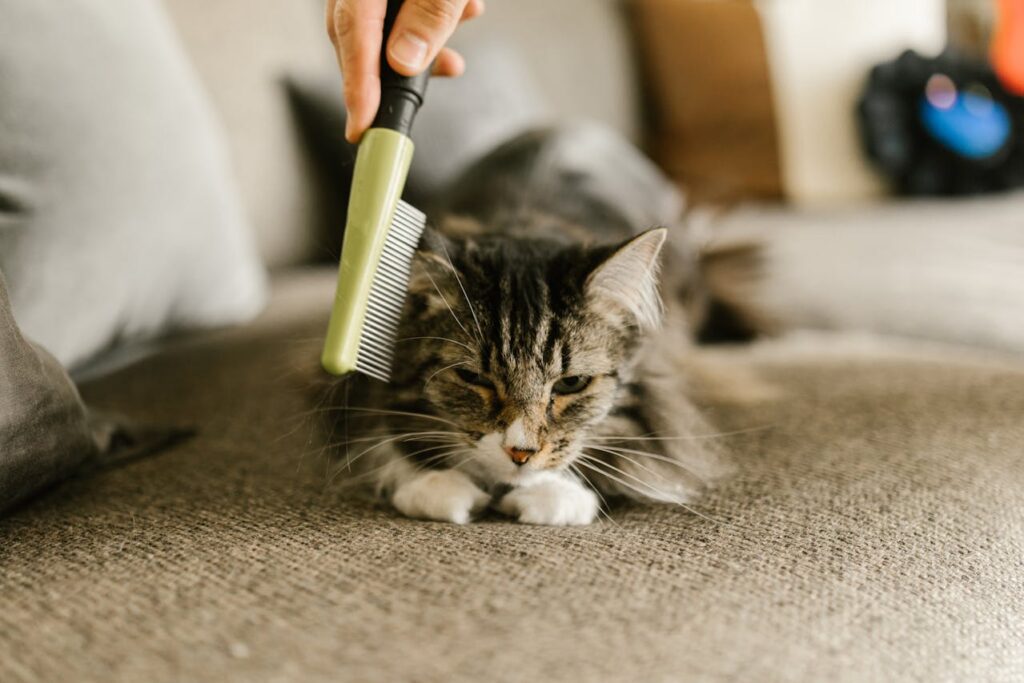
Grooming a feline companion often feels like a delicate dance between affection and boundary enforcement, particularly when the animal possesses a sensitive temperament or a history of aversion to touch. While the image of a purring cat happily accepting the brush is idyllic, the reality for many involves flattened ears, swishing tails, and a hasty retreat under the sofa. Maintaining a healthy coat is essential for preventing painful mats and reducing hairballs, yet forcing the process can damage the trust carefully built over time. Success lies not in domination but in patience, observation, and a gradual desensitization approach that respects the animal’s autonomy.
Understanding The Tolerance Threshold
Every cat possesses a unique limit for sensory stimulation, and exceeding this invisible line often triggers defensive aggression or anxiety. Recognizing the subtle precursors to a strike, such as skin twitching or pupil dilation, allows the caregiver to pause before the situation escalates into a conflict. Respecting these early warning signals teaches the feline that their communication is understood, eventually raising their threshold for handling as they learn they are safe. Instead of pushing for a full grooming session at once, short and frequent interactions often yield better long-term results than a single, stressful marathon that leaves both parties exhausted.
Selecting The Appropriate Tools
The sensation of metal tines scraping against sensitive skin can be alarming, so selecting a brush that mimics the feeling of a natural tongue often helps bridge the gap. Soft bristle brushes or grooming gloves allow for a stroking motion that feels more like petting than a mechanical procedure, reducing the animal’s immediate suspicion. For long-haired breeds prone to matting, tools with rounded tips or flexible teeth can detangle fur without the harsh pulling that causes pain and fear. Introducing the tool simply as an object to be sniffed and investigated before it ever touches the body helps demystify the equipment and lower the cat’s initial defensive reaction.
Building Positive Associations
Rewarding the cat merely for remaining calm in the presence of the brush creates a powerful psychological link between the grooming tool and desirable outcomes. High-value treats, such as freeze-dried meats or specialized pastes, should be dispensed liberally during the initial introduction to distract from the potential stress of being touched. This counter-conditioning process shifts the animal’s emotional response from dread to anticipation, eventually making the sight of the brush a cue for pleasure rather than discomfort. Consistency in this reward system is paramount, as intermittent reinforcement strengthens the behavior and helps the cat relax into the routine.
Mastering The Approach Angle
Looming over a small animal can trigger a predatory fear response, so approaching the cat from a non-threatening level is crucial for maintaining a sense of safety. Sitting on the floor or placing the cat on a raised surface where they feel secure allows for a more equal interaction that feels less like a confrontation. The grooming tool should be introduced from the side rather than directly in the face, mimicking the polite greeting behavior cats use with one another. By avoiding direct eye contact and keeping body movements slow and predictable, the caregiver signals a lack of aggression, allowing the feline to lower its guard and accept the physical contact.
Focusing On Preferred Zones
Most felines have specific areas where they enjoy being touched, typically around the cheeks, chin, and base of the ears where scent glands are located. Starting the grooming session in these safe zones builds momentum and relaxation before attempting to brush more sensitive areas like the belly or the base of the tail. If the cat begins to show signs of tension when the brush moves to a “forbidden” area, immediately returning to the preferred zone acts as a reset button for their patience. This back-and-forth method respects the cat’s bodily autonomy while slowly expanding the territory that can be groomed without triggering a negative behavioral reaction.
Utilizing Scent Transfer
Cats rely heavily on their sense of smell to interpret their environment, and a brush that smells like foreign plastic or metal may be perceived as an intruder. Rubbing the grooming tool with a soft cloth that has been in the cat’s bedding or rubbing it against their cheek glands marks the object with their own pheromones. This familiar scent profile transforms the alien object into something that belongs within their territory, significantly reducing anxiety during the interaction. A tool that smells like “home” is far less likely to provoke a defensive strike than one that carries the sterile or chemical odor of a manufactured product fresh out of the packaging.
Timing The Session Correctly
Attempting to groom a cat during their peak activity hours, such as dawn or dusk, often results in a struggle as their predatory instincts are in high gear. Choosing a moment when the animal is already in a state of deep relaxation, perhaps after a meal or a nap in a sunbeam, increases the likelihood of compliance. A sleepy cat has a much higher tolerance for handling and is less likely to become overstimulated by the sensation of the brush moving through their fur. Aligning the grooming schedule with the natural rhythm of the cat’s day ensures that the intervention feels like a gentle extension of their rest rather than an interruption of their play.
Employing The Distraction Technique
For felines that are particularly food-motivated, a distraction technique using a lick mat or a steady stream of treats can occupy their attention fully while grooming occurs. The sensation of eating releases endorphins that counteract the mild stress of being brushed, allowing the caregiver to work on problem areas while the cat is focused elsewhere. This method works especially well for short sessions where removing a specific mat or tangle is necessary and requires the animal to remain still. By the time the treat is finished, the grooming is often complete, leaving the cat with a positive memory of the snack rather than a negative memory of the brush.
Recognizing Overstimulation Signs
Even the most tolerant cats can become overstimulated if the repetitive sensation of brushing continues for too long in one spot or with too much pressure. Warning signs such as a rippling coat, tail thumping, or a sudden stillness often precede a bite or scratch and should serve as an immediate cue to stop the session. Ignoring these subtle communications erodes trust and reinforces the idea that the human cannot be relied upon to respect physical boundaries. Ending the interaction before the cat reaches its breaking point ensures that the experience remains neutral or positive, making it easier to resume the process at a later time without lingering resentment.