
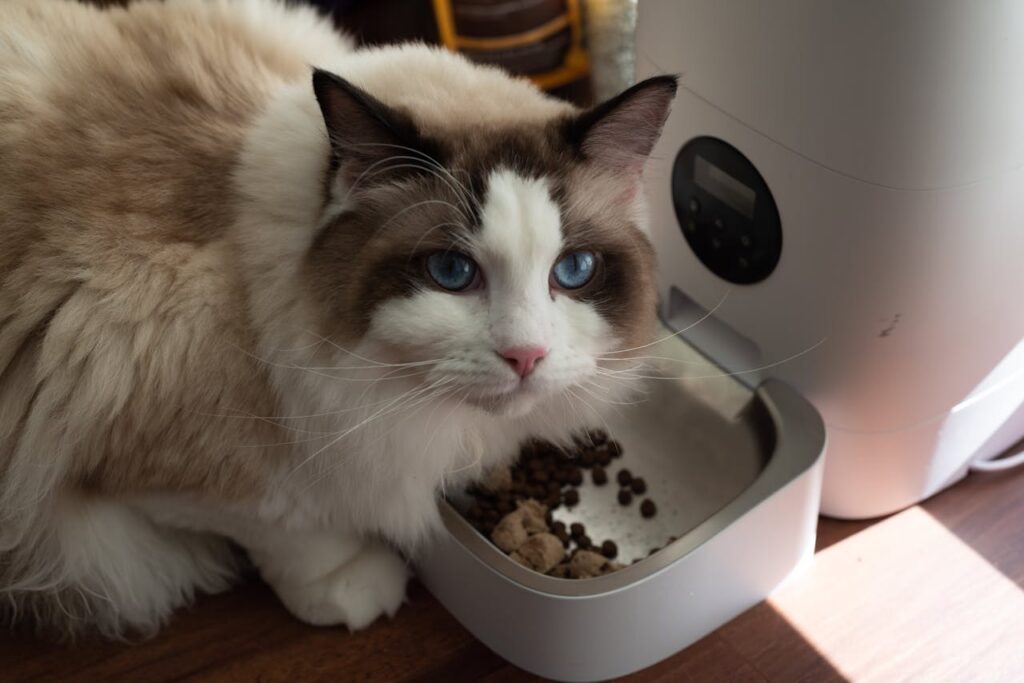
Watching a beloved companion turn their nose up at a bowl of premium kibble often becomes a source of immense frustration and genuine worry for a devoted household. It feels like a rejection of care, leading to a frantic scramble for varied options that frequently only serves to reinforce the fussiness. The deep bond shared with a four-legged friend is built on trust and health, yet these daily mealtime battles can quickly erode that domestic peace. Understanding the root causes of selective eating—whether they are behavioral or biological—remains the vital first step toward restoring harmony. A thoughtful approach ensures that nutritional needs are met without compromising behavioral standards.
Rule Out Medical Issues First
Before assuming a dog or cat is simply being stubborn, it is crucial to rule out underlying health concerns that might make eating painful or nauseating. Dental disease, gastrointestinal upset, or even kidney issues can manifest as a sudden lack of appetite in otherwise healthy animals. A veterinarian can perform a thorough examination to ensure that the refusal to eat is not a symptom of a hidden ailment requiring immediate medical attention. Once a clean bill of health is secured, the focus can shift confidently to behavioral modification strategies, knowing that the animal is physically capable of enjoying their meals without discomfort.
Establish a Strict Feeding Schedule
Leaving food out all day allows a pet to graze casually, which often diminishes their natural drive to eat a full meal at appropriate times. Establishing specific windows for breakfast and dinner teaches the animal that food is a limited resource that should be consumed when offered. Placing the bowl down for 20 minutes and then removing it, regardless of how much has been eaten, sends a clear signal about mealtime expectations. This method helps reset the biological clock and builds a healthy appetite, ensuring that the pet approaches the bowl with genuine hunger rather than casual indifference or boredom.
Enhance Aroma by Warming the Food
The sense of smell plays a monumental role in appetite stimulation for both felines and canines, often far more than the sense of taste does. Gently warming wet food or adding a splash of warm water to dry kibble releases volatile aromas that can make a standard meal significantly more enticing. This simple technique mimics the temperature of fresh prey, tapping into primal instincts that can trigger a desire to eat even in a reluctant animal. Care must be taken to ensure the food is not too hot, but bringing it to body temperature can transform a boring bowl of brown pellets into an irresistible feast.
Utilize Healthy Food Toppers Wisely
Adding high-value enhancements to a meal can be effective, but it requires a strategic hand to avoid creating a pet that refuses to eat without them. Safe options like plain bone broth, a spoonful of pumpkin, or a sprinkle of freeze-dried liver add flavor and moisture without unbalancing the nutritional profile. The goal is to enhance the existing diet rather than replace it with treats, keeping the mix consistent so the animal does not learn to hold out for something better. Moderation is key, as overindulgence in toppers can lead to weight gain and further selectivity if the extras become the main event.
Increase Physical Activity Before Meals
A sedentary lifestyle often contributes to a lack of appetite, as the body simply does not burn enough calories to trigger strong hunger signals. Engaging a dog in a vigorous walk or a cat in an interactive play session with a feather wand right before feeding time can stimulate their metabolism effectively. This “hunt-eat-groom-sleep” cycle aligns with their natural circadian rhythms and instincts, making the meal feel like a well-earned reward after physical exertion. Increasing daily activity levels not only helps with weight management but also ensures that the animal comes to the food bowl ready to refuel.
Review Food Storage and Freshness
Dry pet food can stale rapidly once the bag is opened, losing its appetizing fats and aromas while potentially developing off-flavors from oxidation. Storing kibble in its original bag, tightly sealed within an airtight container, helps preserve the nutritional integrity and taste profile for much longer periods. Checking expiration dates and buying smaller bags that can be consumed within a few weeks ensures that every meal served is as fresh and palatable as possible. Often, what appears to be pickiness is simply a natural rejection of rancid or tasteless food that has been sitting in the pantry for too long.
Avoid Offering Table Scraps and Human Treats
Feeding tidbits from the human dinner plate creates a confusing double standard that often results in a pet refusing their own balanced nutrition. When a dog or cat learns that begging results in savory, high-fat human food, their own kibble inevitably pales in comparison and loses its appeal completely. Maintaining a strict boundary where human food is never shared during meal times helps the animal understand that their bowl is the only source of sustenance available. Consistency from every family member is essential to break this habit, as even a single slip-up can reset weeks of progress and reinforce the begging behavior.
Transition to New Foods Gradually
Switching diets frequently in an attempt to find a favorite flavor can inadvertently train a pet to wait for the next novel option to appear. Stick to a chosen high-quality food for a significant period, as it often takes time for an animal to adjust and accept a new texture or taste profile. If a transition is necessary, mixing the new food with the old in gradually increasing amounts over seven to 10 days prevents digestive upset and rejection. Staying the course requires resolve, but a consistent approach eventually teaches the pet that the provided meal is what is for dinner, ending the cycle of refusal.