
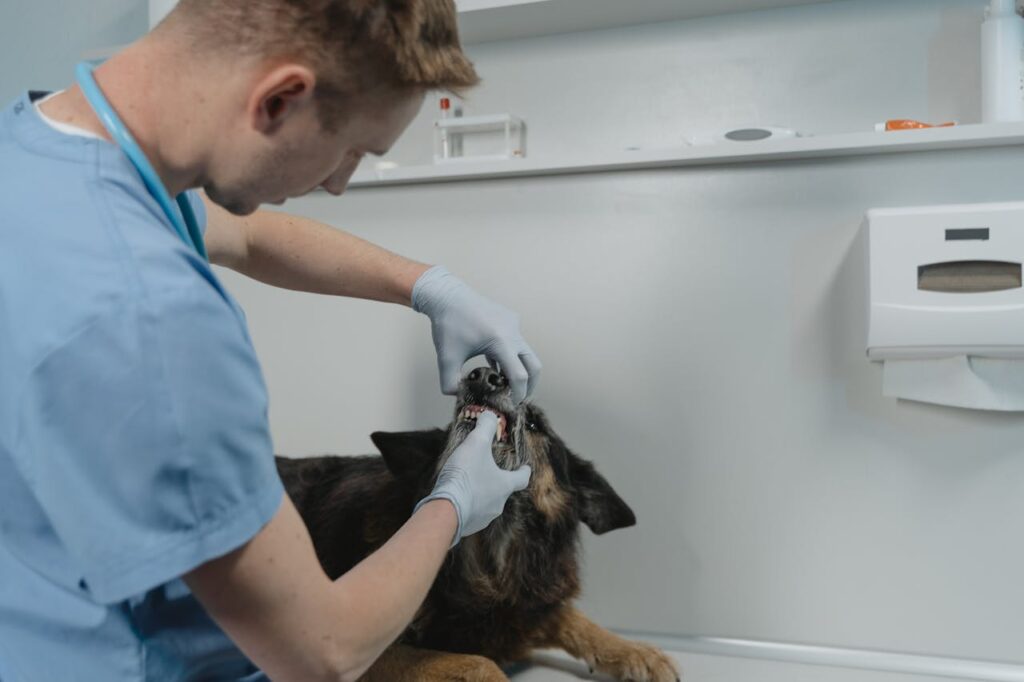
Pet ownership brings immense joy, but it also entails responsibilities beyond simple walks and feeding times. Dental hygiene often falls by the wayside until a serious issue arises, leading to costly veterinary procedures and significant discomfort for the animal. Establishing a daily routine focused on oral health can prevent periodontal disease, which affects a staggering majority of dogs and cats by age three. By integrating small habits into everyday life, owners ensure their companions maintain healthy teeth and gums, ultimately supporting their total well-being and avoiding those unexpected financial burdens.
The Right Toothbrush
Selecting the appropriate tools marks the first step toward successful oral hygiene for any companion animal. A standard human toothbrush often proves too large or abrasive, so opting for a specialized pet toothbrush with soft bristles or a silicone finger brush can make the experience much less intrusive. These tools allow for gentle scrubbing along the gum line where plaque tends to accumulate, effectively reducing the risk of gingivitis without causing distress or injury to sensitive mouth tissues during the cleaning process. This careful selection helps build a positive association with dental care.
Enzymatic Toothpaste
Unlike human products that contain fluoride or xylitol—ingredients that are toxic to animals—pet-specific toothpaste is formulated to be completely safe when swallowed. Enzymatic options are particularly effective as they contain compounds that help break down plaque and tartar even after the actual brushing session has ended. Available in appealing flavors like poultry or beef, these pastes often turn a potential chore into a tasty treat, encouraging the animal to accept the routine more willingly over time. This flavor-based incentive transforms a struggle into a moment of bonding between owner and pet.
Dental Chews And Treats
Brushing with high-quality dental chews offers a passive yet effective way to maintain oral cleanliness between more thorough scrubbings. These treats are designed with unique textures and shapes that scrape away tartar as the animal chews, functioning much like a toothbrush in disguise to reach difficult areas. It remains crucial to look for products carrying the Veterinary Oral Health Council seal, ensuring the items have been rigorously tested and proven to reduce plaque buildup effectively. Offering one of these functional treats daily can significantly slow the accumulation of harmful bacteria.
Water Additives
For pets that are particularly resistant to manual brushing, water additives provide a stress-free supplementary solution to combat oral bacteria. These liquid solutions are flavorless and odorless, easily mixed into a fresh bowl of water to clean the mouth with every drink the animal takes throughout the day. While they do not fully replace the mechanical action of brushing, they significantly reduce the bacterial load in saliva, helping to freshen breath and slow the progression of periodontal disease. This method ensures that dental care continues even during the busiest days when brushing might be missed.
Selecting The Right Toys
Playtime can double as dental care when the correct toys are introduced into the daily rotation, specifically those designed to massage gums and clean teeth. Durable rubber toys with ridges or nubs encourage chewing behavior that naturally dislodges food particles and stimulates blood flow to the gums. Conversely, extremely hard items like antlers or dried bones can fracture teeth, so choosing materials that possess a slight give ensures the teeth are cleaned rather than damaged. Rotating these functional toys keeps the animal engaged while simultaneously promoting better oral health through natural instincts.
Dry Food And Dental Diets
Diet plays a foundational role in oral health, and certain dry kibbles are engineered to resist crumbling instantly, allowing the tooth to penetrate the food for a scrubbing effect. Specialized dental diets often feature larger kibble sizes with a fiber matrix that cleans the tooth surface as the animal chews, unlike standard wet food which can stick to teeth. Consulting a veterinarian about switching to a prescription dental diet can be a game-changer for breeds prone to dental issues. This dietary adjustment works passively at every meal, providing a constant defense against the rapid accumulation of plaque.
Regular Inspections
Performing a quick visual check of the mouth once a week allows for the early detection of potential problems before they escalate into painful conditions. Gently lifting the lip to inspect for red, swollen gums, broken teeth, or excessive tartar buildup provides immediate insight into the animal’s oral health status. Catching these signs early enables prompt veterinary intervention, which is often far less invasive and expensive than treating advanced periodontal disease. Familiarizing the pet with this routine handling also makes future veterinary exams much less stressful for everyone involved.
Professional Cleanings
Even with diligent home care, professional veterinary cleanings under anesthesia remain a necessary component of a comprehensive dental health plan. These procedures allow veterinarians to scale tartar from below the gum line and perform dental X-rays to identify issues hidden beneath the surface. Scheduling these cleanings annually or as recommended ensures that the foundation of oral health remains strong, effectively resetting the mouth to a clean state for home maintenance. This professional oversight is the only way to address problems that cannot be reached or seen with a standard toothbrush.