
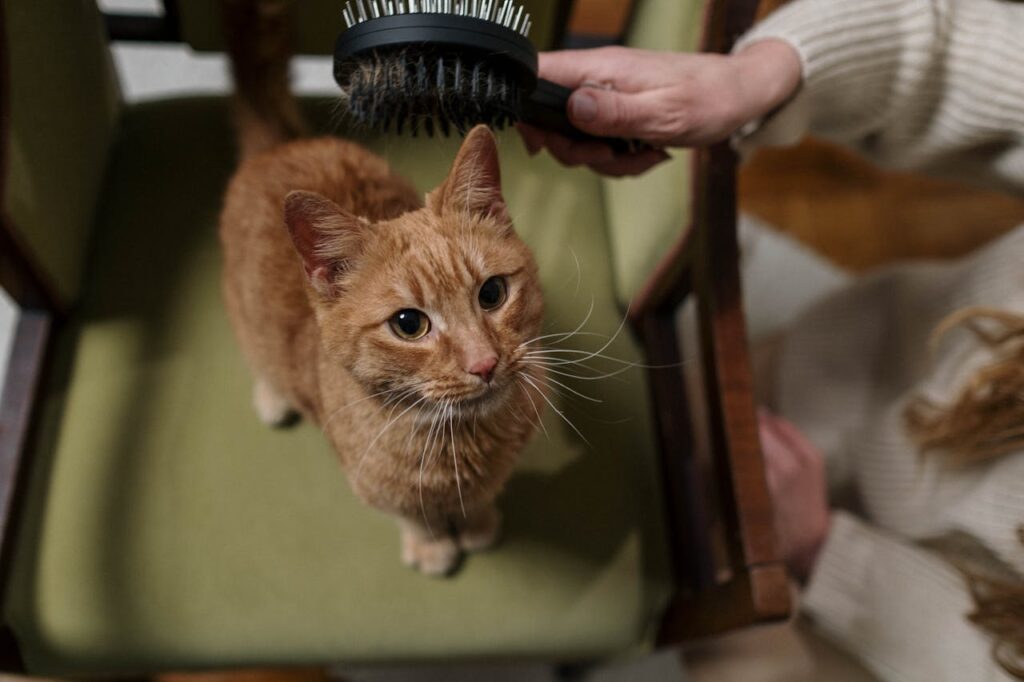
The rhythmic sound of a purr often accompanies the quiet intimacy of grooming, a ritual that strengthens the bond between feline and guardian while serving a vital health function. Beyond the aesthetic appeal of a glossy coat, regular brushing acts as a preventative measure against the painful formation of mats which can pull at delicate skin and trap moisture or bacteria. Establishing a consistent grooming schedule transforms what could be a chore into a calming session of connection, ensuring that a cat remains comfortable and free from the distress of tangled fur. It is a practice rooted in patience and observation, requiring an understanding of specific coat needs and the right tools to maintain a healthy, vibrant appearance throughout the changing seasons.
The Right Tools for the Job
Selecting the appropriate equipment forms the foundation of any successful grooming regimen, as different coat textures require specific instruments to effectively remove loose hair and debris. A slicker brush with fine wire bristles works wonders for dense undercoats, penetrating deep to catch shedding fur before it clumps, while a sturdy metal comb serves as the final check to ensure no tangles remain near the skin. For cats with shorter hair, a rubber grooming mitt or a soft bristle brush offers a gentler approach that massages the skin while collecting surface hair, turning the process into a soothing experience that mimics the natural sensation of being groomed by a mother or sibling, fostering trust and relaxation.
The Art of Line Brushing
Effective grooming requires more than surface-level strokes; the technique known as line brushing ensures that the coat is detangled all the way down to the skin where mats often originate. By parting the fur to create a visible line of skin and brushing the hair below that part in a downward motion, one can systematically work through the coat section by section, preventing the accumulation of dead hair in the dense undercoat. This method is particularly crucial for long-haired breeds like Persians or Maine Coons, whose voluminous fur can hide significant tangles that surface brushing might miss, ensuring that the entire coat remains airy, clean, and free from the painful pulling that occurs when deep knots begin to tighten.
Focusing on Friction Zones
Certain areas of a feline’s body are naturally more prone to matting due to constant movement and friction, specifically behind the ears, under the armpits, and along the back of the hind legs. These high-risk zones require vigilant attention and gentle handling, as the skin here is often thinner and more sensitive than on the back or flanks, making careful inspection a daily necessity. Neglecting these spots allows small tangles to rapidly evolve into tight felts that restrict movement and cause irritation, so prioritizing these areas during every grooming session ensures that the cat maintains a full range of motion without discomfort, keeping the most delicate parts of their coat smooth and well-maintained.
The Role of Diet and Hydration
Internal health manifests externally, and a diet rich in omega-3 and omega-6 fatty acids contributes significantly to skin elasticity and the production of natural oils that keep the coat sleek. Proper hydration aids in preventing dry, brittle fur that is more susceptible to breakage and tangling, creating a natural defense against the friction that leads to stubborn mats. When a cat receives balanced nutrition tailored to their life stage and health requirements, the fur remains distinct and smooth, reducing the static and dryness that often precipitate knotting, thereby making the grooming process smoother and less frequent while enhancing the overall luster and softness of the animal’s coat.
Creating a Positive Association
Grooming sessions should be viewed as an opportunity for bonding rather than a battle of wills, requiring patience and a steady supply of high-value rewards to build a positive association with the process. Starting with short, gentle sessions when the cat is already relaxed helps to normalize the sensation of the brush, gradually increasing the duration as the animal becomes more comfortable with the handling and the tools. Incorporating treats or affection immediately after the routine reinforces the idea that brushing is a precursor to pleasure, reducing stress for both parties and transforming necessary maintenance into a cherished time of shared affection that strengthens the relationship while ensuring physical well-being.
Managing Seasonal Shedding
As seasons shift, particularly during the transition from winter to spring, cats undergo a significant shedding period known as blowing their coat, which drastically increases the volume of loose fur. During these times, the frequency of brushing must increase to cope with the influx of dead hair that can easily become trapped within the remaining coat, forming large, plate-like mats if left unattended. Utilizing a de-shedding tool during these peak periods helps to remove the bulk of the loose undercoat efficiently, preventing the ingestion of excessive hair during self-grooming and ensuring that the skin can breathe, keeping the cat cool and comfortable as the warmer weather approaches.
Knowing When to Call a Pro
Despite the best efforts at home, there are instances where professional intervention becomes necessary, particularly if a coat has become severely matted or if the cat exhibits extreme behavioral resistance. Professional groomers possess the expertise and specialized equipment to safely remove tight mats without risking injury to the thin, elastic skin of a cat, a task that can be incredibly dangerous with standard household scissors. Seeking expert help allows for a reset of the coat’s condition, providing a clean slate for the guardian to maintain, and ensures that any underlying skin issues hidden by the fur are identified and addressed, preserving the long-term health, safety, and comfort of the feline companion.
Regular Health Checks
Grooming provides the perfect vantage point for a routine health inspection, allowing for the early detection of irregularities such as lumps, bumps, skin lesions, or external parasites like fleas and ticks. Running hands over the body during a brush-out reveals subtle changes in body condition or sensitivity that might otherwise go unnoticed under a thick layer of fur, enabling prompt veterinary attention when needed. This proactive approach to wellness integrates health monitoring into daily life, ensuring that the cat remains in peak physical condition and that any potential issues are caught before they develop into serious concerns, making the grooming brush a tool for both beauty and holistic preventative care.
The journey to a mat-free coat is one of consistency and care, reflecting a deep commitment to the well-being of a beloved companion. It moves beyond simple aesthetics to become a language of love, spoken through the gentle rhythm of the brush and the quiet moments shared in the sun. By prioritizing this routine, guardians ensure their feline friends remain comfortable, agile, and happy, reinforcing a bond built on trust and mutual respect.
Consistent grooming prevents painful mats and deepens the bond with a cat, ensuring lasting comfort, health, and true well-being.