
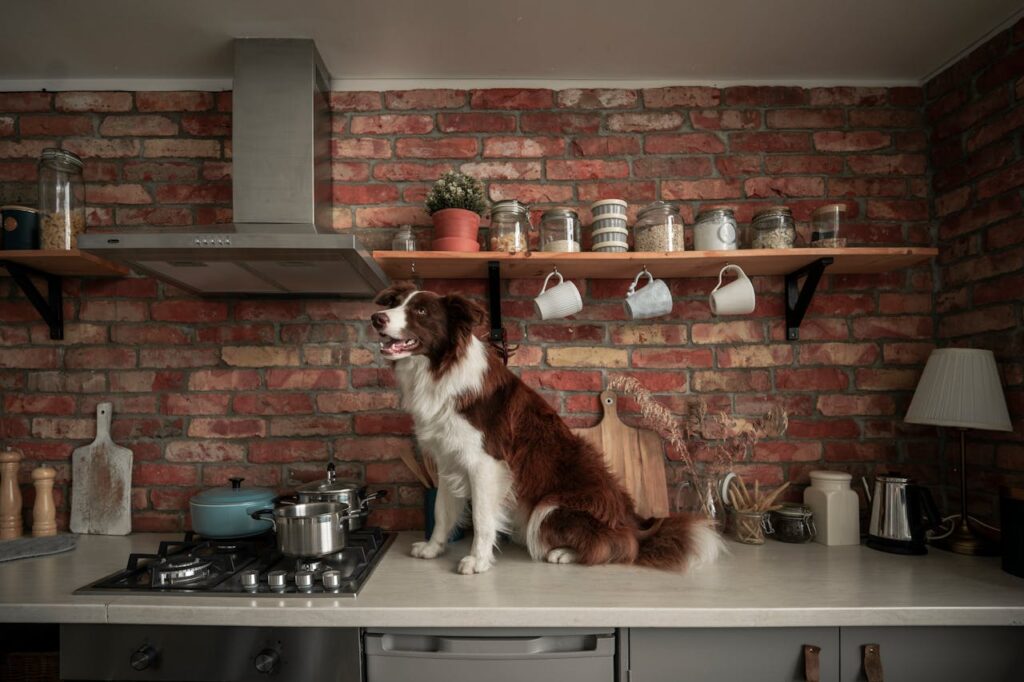
The kitchen often serves as the heart of the home, where culinary magic happens and aromas drift through the air, tempting every inhabitant. For canine companions, these scents are irresistible sirens calling them to investigate countertops, often resulting in the disappearance of a carefully prepared dinner. This behavior creates tension in the household and poses safety risks for pets who might ingest harmful ingredients. Understanding that dogs are opportunistic scavengers rather than mischievous villains allows for a compassionate approach to training that preserves the bond between pet and owner while effectively extinguishing the habit.
Mastering Management Strategies
The most effective initial step involves removing the opportunity for reinforcement by keeping kitchen surfaces completely devoid of food scraps or intriguing objects. When a dog jumps up and successfully retrieves a tasty morsel, the behavior is instantly rewarded, making it significantly more likely to occur again regardless of verbal corrections. By diligently storing food in pantries, utilizing bread boxes, and wiping down crumbs immediately after meal preparation, the environment itself simply discourages scavenging efforts.
Cultivating The Place Command
Teaching a designated spot where the dog is expected to settle during meal preparation provides a clear and rewarding alternative to patrolling the kitchen perimeter. This command redirects the animal’s focus away from the counters and toward a comfortable mat or bed where calm behavior yields high-value treats or a long-lasting chew. Consistency remains paramount, as the dog eventually learns that remaining on the mat offers a far greater payout than the uncertainty of hunting for elusive scraps above eye level.
Reinforcing Four Paws On The Floor
A common oversight involves ignoring the dog when they are behaving appropriately and only reacting once they have jumped up to investigate the counter’s edge. To shift this dynamic, one should actively capture and reward moments when all four paws remain firmly planted on the ground, especially in the high-stakes environment of the kitchen. Delivering treats near the floor rather than from above reinforces the concept that the ground is the source of all good things, gradually diminishing the urge to seek rewards vertically.
Increasing Mental And Physical Enrichment
Counter surfing often stems from boredom or an excess of energy that has not been adequately channeled into more constructive and appropriate outlets. Providing puzzle toys, scent games, or extended walks prior to cooking times can significantly reduce the likelihood of scavenging behavior by satisfying the dog’s innate need to work and explore. A tired and mentally stimulated canine is far more likely to choose a nap on a nearby rug over the frantic and forbidden search for leftovers on the kitchen island.
Strengthening Impulse Control
Dogs with low impulse control often struggle to resist the immediate temptation of food, even if they understand the rules of the household in other contexts. Engaging in games that require waiting for permission before eating or exiting a crate helps build the mental muscle necessary to ignore enticing smells wafting from the counter. Over time, this general ability to delay gratification transfers to the kitchen, enabling the dog to make better choices even when high-value items are left momentarily unattended.
Utilizing Physical Barriers
During the early stages of training, physical management prevents the dog from rehearsing the unwanted behavior when active supervision is not possible. Baby gates or exercise pens can effectively restrict access to the kitchen, ensuring that the dog cannot practice counter surfing when the owner’s back is turned or when the room is empty. This temporary measure preserves the training progress by preventing self-reinforcement, which occurs every time the dog successfully steals a snack without human intervention.
Avoiding Verbal Punishment
Yelling or chasing a dog that has stolen food often turns the event into a thrilling game of chase or creates anxiety that damages the trust essential for learning. Punishment typically occurs after the act, meaning the dog may associate the anger with the owner’s presence rather than the act of jumping up, leading to confusing sneaking behavior. A calm, neutral response that focuses on preventing future access yields better long-term results than emotional reactions that fail to address the root cause of the behavior.
Proofing With Controlled Setups
Once the dog consistently demonstrates good behavior, setting up controlled training scenarios allows for the gradual reintroduction of temptations in a managed way. Placing low-value items on the edge of the counter while the dog is leashed ensures that attempts to jump can be gently interrupted without the possibility of a reward. This process helps the animal generalize the rule that counters are off-limits regardless of what items might be present, solidifying the training across various situations and contexts.
Living with a dog means embracing a life full of joyful chaos, but the kitchen need not be a battleground where dinner is constantly at risk. By employing patience, consistent management, and positive reinforcement, the home becomes a harmonious space where both human and hound can coexist safely. The transition from a chaotic counter surfer to a polite kitchen companion requires time and dedication, yet the result is a peaceful home where food remains on the plate and the dog rests contentedly nearby.
Master the art of stopping counter surfing with positive reinforcement, management strategies, and impulse control techniques wisely.
Would you like me to develop a step-by-step guide for teaching the “Place” command mentioned in the article?