
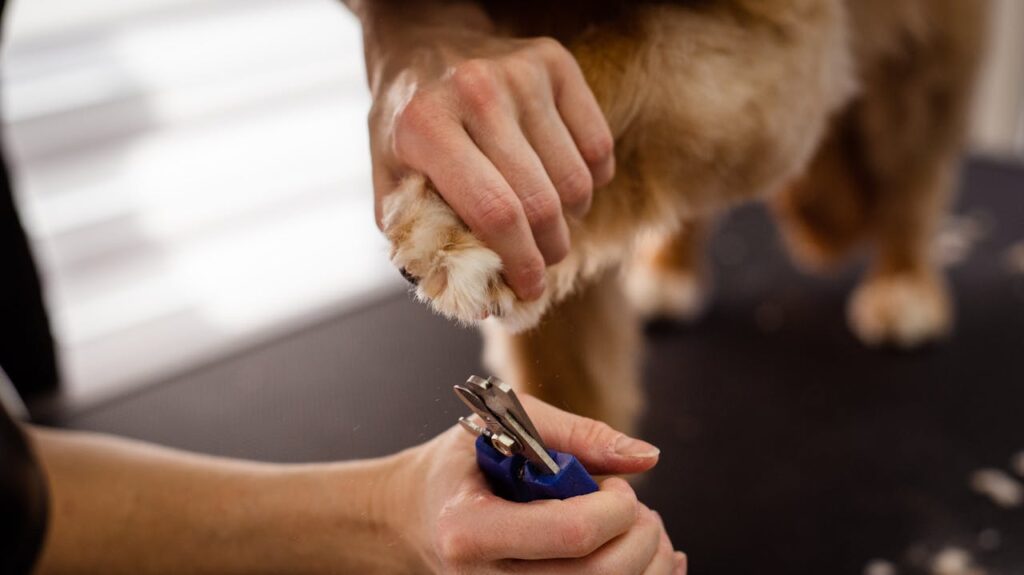
Many pet owners dread the monthly grooming ritual, envisioning a wrestling match filled with anxiety and resistance. However, proper nail maintenance remains a crucial aspect of canine health, preventing painful splaying of the toes and maintaining proper posture during daily walks. Transforming this stressful chore into a cooperative activity requires patience, deep understanding, and a shift in perspective from necessity to opportunity. By breaking the process down into manageable, positive interactions, guardians can help their companions build confidence. A calm environment effectively turns profound fear into trust.
Creating Positive Associations With The Tool
Simply introducing the clippers without the intent to cut serves as the foundation for a panic-free experience. The goal involves presenting the tool as a predictor of high-value rewards rather than a source of discomfort or restraint. Placing the trimmers on the floor near the dog while offering favorite treats creates a neutral or positive emotional response over several short sessions. When the dog investigates the object willingly, immediate praise and rewards reinforce curiosity. This stage requires zero physical contact with the paws, ensuring the dog feels safe and fully in control of the interaction today.
Desensitizing The Sound Of The Clippers
The distinct snapping sound of clippers often triggers anxiety long before the tool touches a nail. To combat this auditory fear, guardians should actuate the clippers or turn on the grinder at a distance while simultaneously offering a steady stream of treats. This classical conditioning technique pairs the noise with something delightful, changing the dog’s emotional reaction from apprehension to anticipation. Gradually decreasing the distance between the sound and the dog over time allows for acclimation without pressure. If signs of stress appear, increasing the distance helps reset the dog’s comfort level.
Handling Paws Without The Clippers
Many dogs exhibit sensitivity when their feet are handled, making paw manipulation a critical prerequisite to trimming. Gently touching the paws, lifting each leg, and massaging the pads without any tools present helps desensitize the area to human contact. These sessions should be brief and paired with verbal encouragement and food rewards to build a history of positive association. Progressing to holding the paw for longer durations simulates the restraint needed for a trim. Consistency is key; daily practice helps the dog understand that having their paws handled is a safe, routine part of everyday life.
Introducing The Touch Of The Tool
Once the dog accepts paw handling and the presence of the tool separately, combining these elements is the next logical step. With the dog calm, the handler should gently touch the clippers to the paw or nail without attempting to cut. This tactile bridge helps the animal get used to the sensation of the cold metal or the vibration of a grinder against the nail surface. Immediate treating after each contact reinforces that the sensation predicts a reward. Repeating this step across all paws ensures the dog remains relaxed and does not pull away when the tool makes contact, establishing a solid foundation.
Isolating Individual Toes For Clarity
Effective trimming requires the isolation of individual toes to prevent accidental injury to the surrounding webbing or fur. Handlers should practice separating one toe at a time, gently pushing the hair back to expose the nail fully. This specific manipulation can feel unusual to a dog, so pairing it with high-value rewards is essential for continued cooperation. Clear visibility of the nail structure ensures precision and safety during the actual cut. Mastering this hold before introducing the blades minimizes fumbling and reduces the overall time the dog must remain still during the grooming session later.
Identifying The Quick For Safety
Understanding the anatomy of the toenail is paramount to preventing pain and bleeding, which can cause significant setbacks in training. The quick, a vein and nerve running through the nail, appears as a pinkish area in light-colored nails but remains hidden in dark ones. For dark nails, trimming small slivers at a time while looking for a chalky white ring with a black dot in the center helps identify the safety limit. Avoiding the quick ensures the experience remains pain-free. If an accident occurs, having styptic powder on hand to stop bleeding immediately is a responsible and necessary safety precaution.
Attempting The First Tiny Trim
The first actual cut should be monumental in its insignificance, often removing just a millimeter from a single nail. The objective is to complete the action successfully without triggering a negative reaction, rather than finishing all paws in one sitting. Immediately following the snip, a “jackpot” reward of multiple treats and enthusiastic praise marks the achievement. If the dog remains relaxed, one might attempt a second nail, but ending on a positive note is far better than pushing for completion. Short, successful sessions build confidence much faster than prolonged struggles that induce stress.
Maintaining Routine Schedules
Maintaining a consistent schedule prevents the quick from growing out with the nail, which makes future trims more difficult. Long intervals between sessions can allow the dog’s desensitization to regress, requiring a refresher course on the basics. Aiming for a weekly “pedicure” keeps the nails short and reinforces the training, turning the event into a predictable weekly routine rather than a rare, scary occurrence. Frequent, minor trims are generally better for the nail health and the dog’s temperament than infrequent, drastic cuts. Regularity normalizes the process and keeps the nails at a healthy length.