
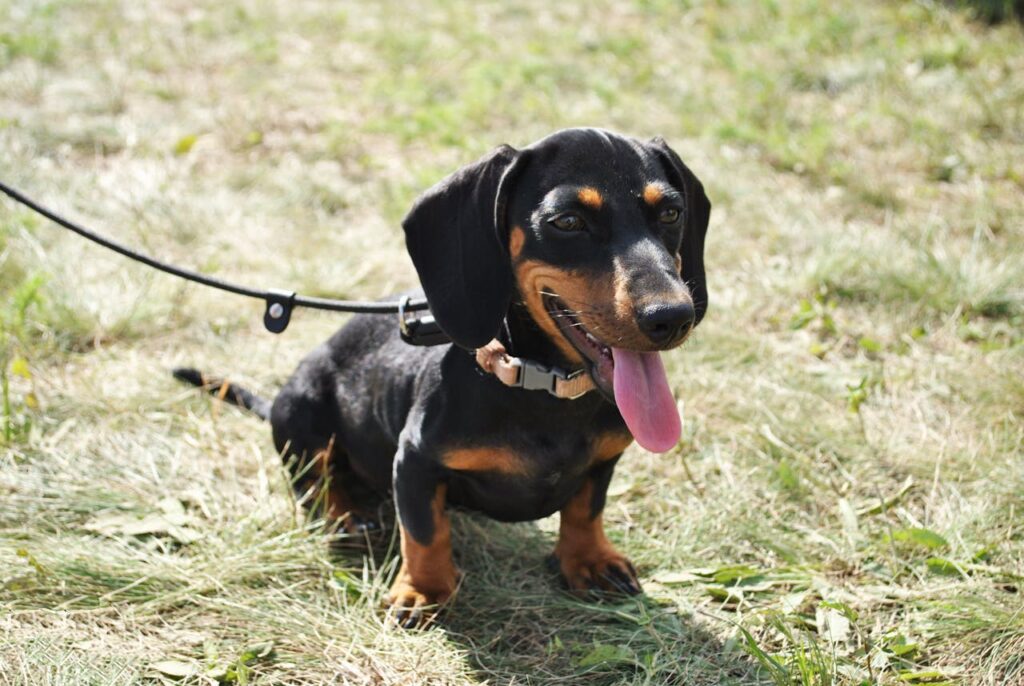
The morning sun casts long shadows on the pavement, promising a serene stroll through the neighborhood, yet the reality often involves a straining leash and a gasping canine companion. This common struggle transforms a peaceful ritual into a test of strength and patience, leaving both parties frustrated and exhausted before the day has truly begun. Understanding the root of this behavior requires looking beyond perceived stubbornness to the biological instincts and communication gaps that drive a dog to forge ahead. A harmonious walk is achievable not through force, but through a deeper comprehension of canine psychology and consistent, positive reinforcement methods.
The Natural Pace Discrepancy
One of the primary culprits behind a taut leash is the simple physiological difference between a human’s leisurely gait and a dog’s natural trot. While an owner might enjoy a slow, contemplative walk to admire the scenery, a dog typically moves at a much brisker rhythm to cover ground and investigate the environment efficiently. This fundamental mismatch in speed means the dog must exercise significant impulse control to slow down, a skill that does not come naturally and must be learned over time. When a dog pulls, it is often not an act of dominance but merely an attempt to walk at a speed that feels comfortable and natural to their four-legged biomechanics.
The Opposition Reflex Trigger
Canine biology includes a fascinating instinctive response known as the opposition reflex, which compels a dog to push against pressure rather than yield to it. When a walker pulls back on the leash to slow a dog down, the animal’s natural neurological reaction is to pull forward with equal or greater force to maintain balance. This creates a counterproductive cycle of tension where the harder the human pulls, the harder the dog strains against the collar or harness. Recognizing that this is an automatic physical response rather than a conscious decision to disobey helps shift the perspective from correction to guidance, fostering a more cooperative walking dynamic.
The Reward of Forward Motion
Every time a dog pulls on the leash and successfully reaches a desired destination, such as a fire hydrant or a greeting with another dog, the pulling behavior is inadvertently reinforced. In the canine mind, the tension on the neck becomes a necessary precursor to getting what they want, establishing a clear cause-and-effect relationship that strengthens the habit. If dragging the walker results in sniffing an interesting bush, the dog learns that persistence pays off and that pulling is a functional tool for navigation. Breaking this cycle requires ensuring that a tight leash never results in forward movement, thereby removing the reward that fuels the behavior.
Environmental Overstimulation
The world outside the front door is a sensory explosion for dogs, filled with intricate scents, sudden movements, and auditory cues that humans often miss entirely. This overwhelming flood of information can cause a dog to enter a state of high arousal where focus on the handler completely evaporates in favor of the environment. In this state of overstimulation, the concept of loose-leash walking is forgotten as the dog acts on the urge to investigate every stimulus immediately. Managing the environment by starting walks in quieter, less distracting areas allows the dog to build focus and success before graduating to busier streets or parks.
The Misunderstood “Check-In”
Many dogs pull simply because they have forgotten that the person on the other end of the leash is a relevant part of the walking equation. Without a history of reinforcement for checking in, a dog may view the human merely as a heavy anchor preventing them from exploring the world freely. Cultivating a habit where the dog frequently looks back at the walker establishes a connection and keeps the animal mentally engaged with their partner. When a dog understands that engagement with the handler leads to treats or praise, the desire to forge ahead diminishes, replaced by a willingness to stick close and await further direction or interaction.
Inconsistent Equipment Choices
The type of gear used for daily walks can significantly influence a dog’s tendency to pull, with some equipment inadvertently encouraging the behavior. Standard back-clip harnesses, for instance, can trigger the opposition reflex and give a dog distinct leverage, similar to a sled dog pulling a load. Conversely, front-clip harnesses or head halters can mechanically discourage pulling by gently redirecting the dog’s momentum toward the walker when tension is applied. Choosing the right tool is not a substitute for training, but it can provide increased control and safety while the dog learns new polite walking habits through positive reinforcement.
The 10-Minute Fix: Red Light, Green Light
The most effective ten-minute solution involves removing the reward of forward motion the instant tension appears on the leash. Instead of pulling back, which triggers the opposition reflex, the walker simply becomes a stationary tree, refusing to take another step until the leash slackens. This teaches the dog that pulling functions as a brake rather than an accelerator, turning the environment into a reward that can only be accessed with a loose leash. Consistency is paramount here; if pulling works even once to reach a desired scent or fire hydrant, the behavior is reinforced, so strict adherence to this stop-and-go method during dedicated training sessions is key.
The Power of the U-Turn
Another powerful technique for reclaiming a dog’s attention involves unpredictable changes in direction that force the animal to monitor the walker’s movement. When the dog forges ahead to the end of the leash, the handler immediately turns 180 degrees and walks briskly in the opposite direction without jerking the leash. This maneuver gently prompts the dog to hurry to catch up, turning the walk into a game of follow-the-leader rather than a tug-of-war. Repeating this exercise frequently keeps the dog guessing and encourages them to stay closer to the handler’s leg to avoid being left behind or surprised by a sudden turn.
Rewarding the Sweet Spot
Building a strong reinforcement history for walking in the correct position is essential for long-term success, yet many owners forget to reward the dog when they are not pulling. Delivering high-value treats precisely when the dog is walking with a loose leash, specifically in the zone next to the walker’s leg, creates a positive association with that specific physical location. This proactive approach teaches the dog that the most profitable place to be is right beside the human, rather than six feet ahead. Over time, the dog begins to default to this “sweet spot” in anticipation of a reward, making the loose leash a happy byproduct.
Keeping Sessions Short
Endurance walks often lead to training fatigue for both the dog and the human, resulting in sloppy execution and frustration. Limiting focused loose-leash training to short, ten-minute intervals ensures that both parties remain fresh, engaged, and capable of maintaining high standards. It is far better to have ten minutes of perfect practice than an hour of struggle that reinforces bad habits and damages the bond. Between these training sessions, utilizing a long line or allowing “sniff breaks” permits the dog to decompress and enjoy the walk without the constant pressure of strict obedience, balancing discipline with necessary mental enrichment.